I am not an historian, decent author or a journalist, and the chances are that unless there is a link or reference to somewhere else, the perpetrator is yours truly – Renaud Sarda. I created this blog as a focal point, to arm people with arguments and facts that they can perhaps use to counter biased media reporting and anti-Israel propaganda, and to help counter (BDS) campaign. I am a Zionist/Sephardi/Jew who will fly the Israeli flag, and defend whatever Israel does.
On Holocaust Memorial Day Liron Velleman writes about how his activism is inspired by the experiences of his family
‘I implore you not to hate.’ These are the words that I carry with me. They help to define my politics. They are the words of my grandfather and Holocaust survivor Abram Warszaw (Alec Ward).
He was born in Parysow, just outside of Warsaw in 1927. He lived with his parents, older sister and three younger brothers. At the start of the war in 1939 all of his grandparents and great-grandparents were still alive. He remembered the restrictions starting to be placed upon Jewish people in his town; who were forced to wear a Star of David on their arms, couldn’t walk on the pavements and a strict curfew was imposed. His synagogue was vandalised and holy books were burnt.
Once a ghetto was established around the town, Abram, who after the war changed his name to Alec, managed to smuggle himself out to sing Yiddish songs to sell cigarettes to nearby Polish people, providing scraps of food for his family. Not long after, his father ordered Abram to take his younger brother Laib and escape from the ghetto. They lived for three months in the forests with no food or shelter and even when they went to former neighbours to beg for food, they were given tiny amounts and told never to return. Abram and Laib managed to sneak themselves in with a group of Jewish farmers in Chmielow who were incredibly generous and shared their minimal rations with them.
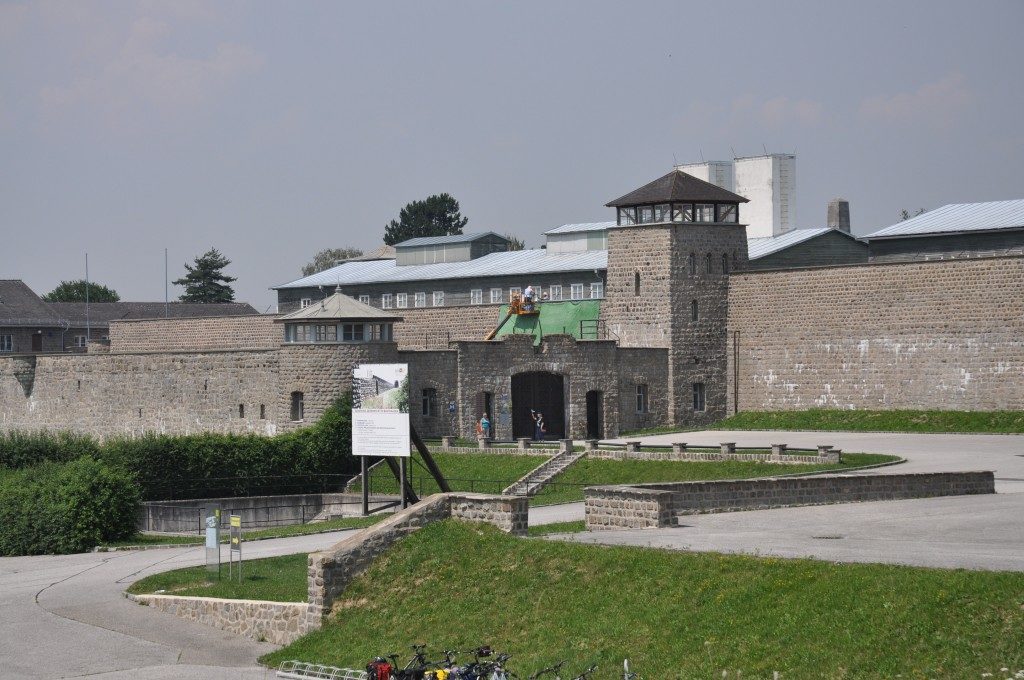
On their way to a slave labour camp, having been rounded up by the SS, they stopped at a town called Radom where they encountered a selection, where SS soldiers would send those ‘capable’ of work in one direction and slaughter those not deemed ‘useful’. Abram survived but Laib was deemed too young to work and was shot in front of my grandfather. This moment stayed with him for the rest of his life and I was named Liron in his memory. My grandfather miraculously survived the next four years, through two concentration camps and three slave labour camps and was liberated as a mere skeleton from Mauthausen concentration camp by American troops in 1945.
Mauthausen Concentration Camp
He arrived in the UK as part of ‘The Boys’, 732 boys and girls who Britain took in at the end of the war and lived in Southampton for the first few months before moving to London. He became a tailor, started a family and for the last 25 years of his life, told his story in schools, synagogues and to various organisations and individuals before passing away in 2018.
It was important to me to tell his Holocaust experiences in this blog for a few reasons. Firstly, with so few Holocaust survivors able to tell their stories first-hand, I feel that it is incumbent upon second and third generation survivors to re-tell the story of our parents and grandparents so it is never forgotten. But I also told it to re-emphasise my opening line, the words he would end every talk and almost every encounter with.
‘In spite of what you have heard me tell you I implore you not to hate the Germans or any other people as it was hatred that caused the Holocaust in the first place. Had I lived with hatred in my heart for the last 60 odd years I would not be here today.’
To go through the continual unimaginable pain and suffering of the Holocaust and the subsequent trauma and be able to live a life espousing the value of tolerance of hate is nothing short of inspirational. His most rewarding talk was to a group of inmates at Lincoln Prison on life sentences. He gave them hope and always felt that ‘education is the key. Young people should be taught not to hate,’ as modelled by his insistence that my mother had a German pen-friend growing up.
The politics of hope over hate in 2020 is in a worrying place. Populism on the rise in the UK, across Europe and in the US. The treatment of Uighur and Rohingya Muslims not being tackled strongly enough by the international community. Far-right groups using social media sites to spread messages of hate.
But the answer to these problems isn’t to just fight hate with hate. Only by standing together, as the theme of this year’s Holocaust Memorial Day asks us to do, and by promoting the values of hope and mutual understanding can we continue to keep the memory of the Holocaust alive and learn the lessons from it.
Alec was born (Abram Warszaw) in Parysow near Lublin, Poland, and lived mainly in the village of Magnuszew. He survived two ghettos, three slave labour camps and two concentration camps and was liberated from Mauthausen by the Americans on 5th May 1945. Alec’s entire family perished during the war but the shooting of his younger … Continue reading
Today is Holocaust Memorial Day and the 75th Anniversary of the liberation of Auschwitz Birkenau. To mark the occasion BBC Television in the UK (many of my overseas followers will also doubtless be able to watch) are televising several programmes.
On BBC 2 at 7pm this evening more than 150 survivors attend a commemoration for Holocaust Memorial Day. Through music, poetry and powerful personal testimony, all those who were persecuted by the Nazis as well as those who were victims of later genocides are remembered.
This is followed on BBC 2 at 9pm by “The Windermere Children” which is a very moving drama exploring a remarkable true story. Written by Simon Block and drawing on first person evidence this programme looks at the events of August 1945 when a coachload of young survivors of the Nazi Holocaust arrived at the Calgarth Estate in the Lake District, England.
Tomorrow (Tuesday) also on BBC 2 at 9pm is “Belsen Our Story” which is a documentary exploring the concentration camp featuring personal accounts from the few remaining survivors together with archive footage. Many thousands died at the camp from starvation and disease with many bodies left unburied.
Today we remember the 75th anniversary of the liberation of the Auschwitz-Birkenau concentration camp where over 1 million Jews and other victims of Nazi persecution were murdered.
This video produced by the National Holocaust Centre and Museum stars players and coaches from 14 leading clubs in the English Premier League, FA Women's Super League and EFL Championship. We thank each and every one of them. They are the ones who have not stood by. They are the ones who have stood up.
Millions of people were stripped of their humanity and murdered during the Holocaust and Nazi Persecution. Each person was unique, with their own interests, friends and family and must be remembered.
#StandTogether with thousands of others in remembrance and share information about one of these people on your Facebook or Twitter account.
Many have never been identified. We must not forget them, so you may be remembering a victim whose name is unknown.
Use the hashtag #StandTogether when sharing on Twitter in order for your tweet to appear on our Memorial Wall.
Find out more about the people we are remembering here.
The Years We Shared
A Song by Runrig
You bloomed like the rose of summer And I held you in my arms And in that knowing I found purpose We walked on the stars
The world changes, we get older What comes in love must leave in pain And all the gifts we early treasure The world takes away
The years we shared Will find their beating in a heart somewhere But the traces of our greatest days Will fade away
From the pier the ships are leaving The seeds to saplings grow Saplings first turn to forests Then ships of oak
Fair winds blow through the journey And I watch you from afar Sailing on distant oceans Of eternal calm
The years we shared ...
When it all started, it came like poetry A vision our truth awakened
Share this with EmailShare this with FacebookShare this with TwitterShare this with Whatsapp
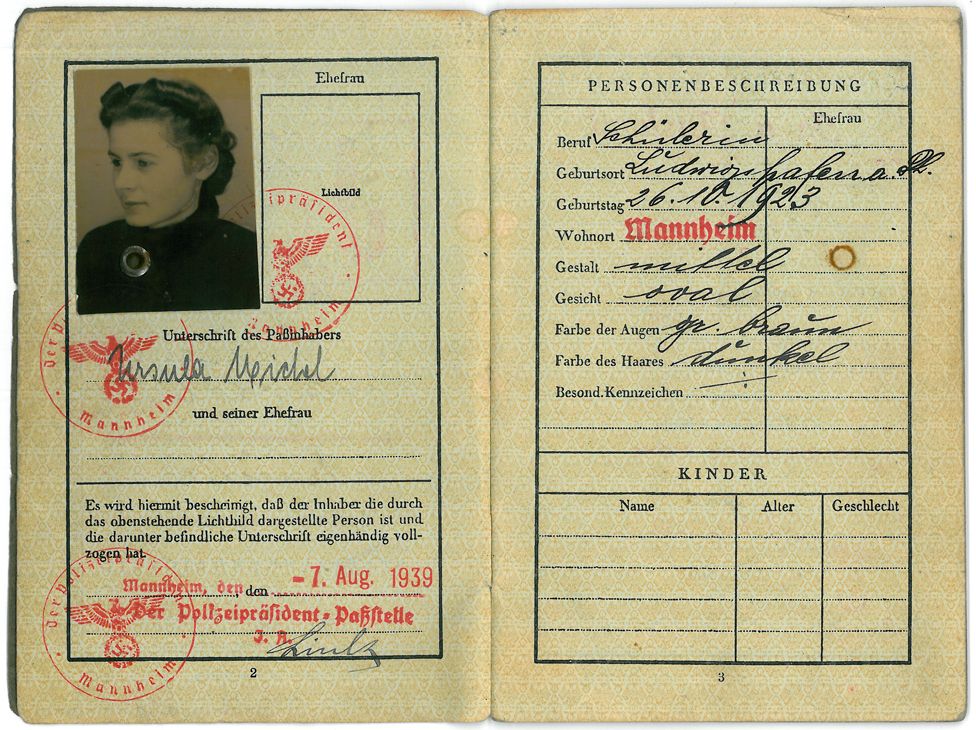
Image copyrightJUDITH RHODES
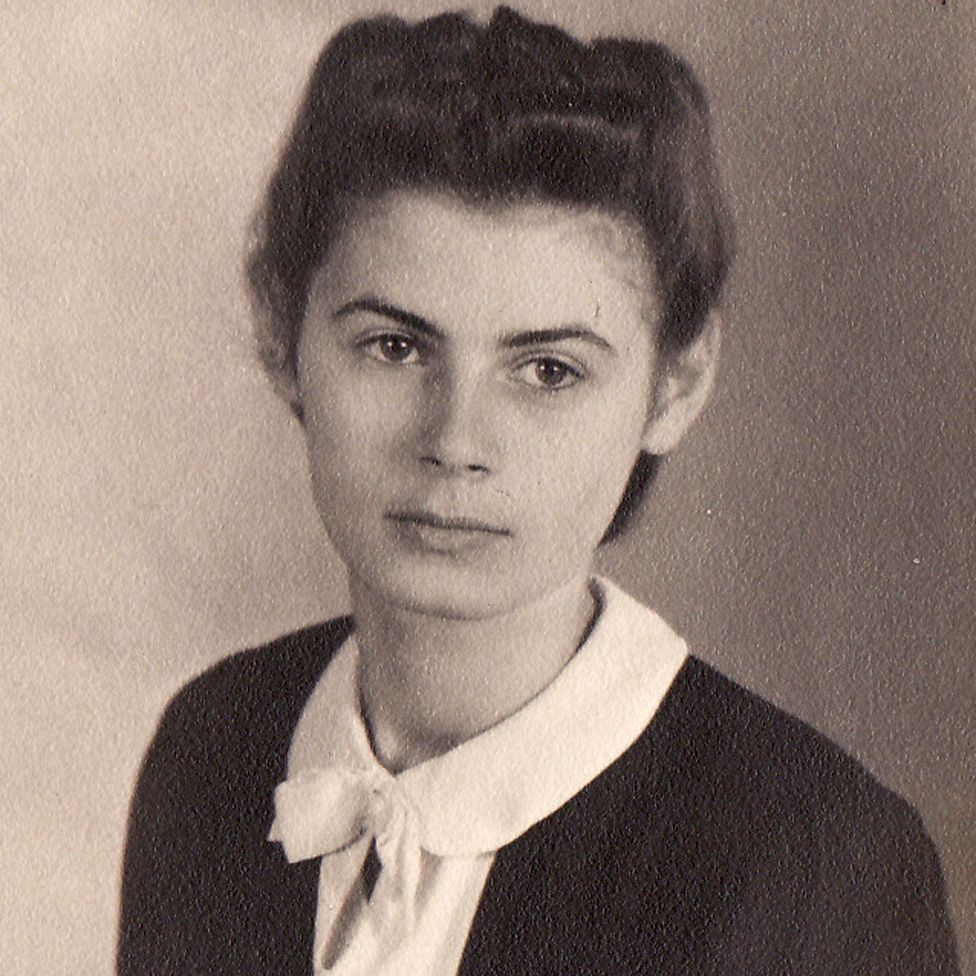
Image captionUrsula Michel in 1939, before taking the Kindertransport to the UK
A British lawyer is accusing the German government of violating the country's constitution by refusing to restore the citizenship of thousands of people descended from victims of the Nazis. He argues that the law began to be misapplied under the lingering influence of former Nazis in the 1950s and 60s, and that it's still being misapplied today.
James Strauss has lived all his life in New York but in the 1930s his family ran an inn and butcher's business in the town of Gunzenhausen, south of Nuremburg. It was here that an event known as the Bloody Palm Sunday pogrom took place in March 1934, with the inn at its epicentre. As Nazis rioted in the town, two Jews were murdered and Julius Strauss, James's father, was beaten unconscious and locked up in the town's jail.
The pogrom is recognised by historians as one of the worst anti-Semitic incidents in Germany prior to the Kristallnacht attacks in November 1938.
The ringleader, Kurt Baer, a member of a Nazi paramilitary force known as the SA, was tried and jailed - but soon released by a Nazi-sympathising judge.
He then returned to the inn to take revenge, shooting and seriously wounding the 27-year-old Julius and murdering his father Simon. (Baer was later sentenced to life imprisonment, but pardoned after four years.)
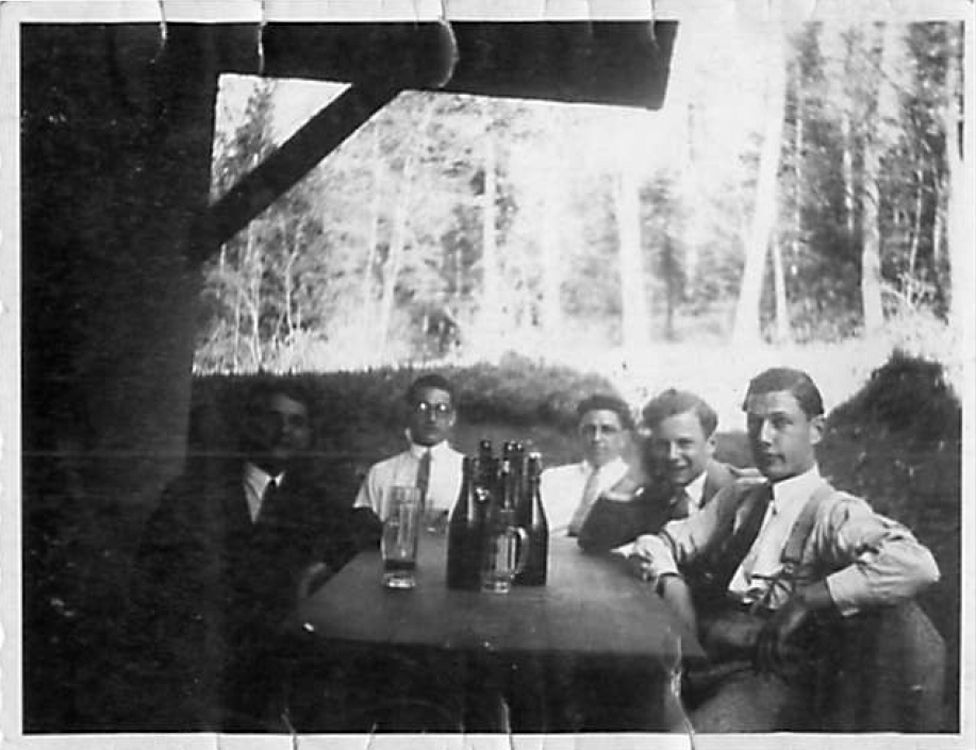
Image copyrightJAMES STRAUSS
Image captionBefore the pogrom - the beer garden of the Strauss inn
As soon as he was able to, Julius fled Germany in fear of his life and settled in New York, where he met and married another German Jewish refugee. But he never fully recovered from the attack as the lead bullets could not be removed from his body, and he died as a result of his injuries in 1956, on his son James's ninth birthday.
Image copyrightJAMES STRAUSS
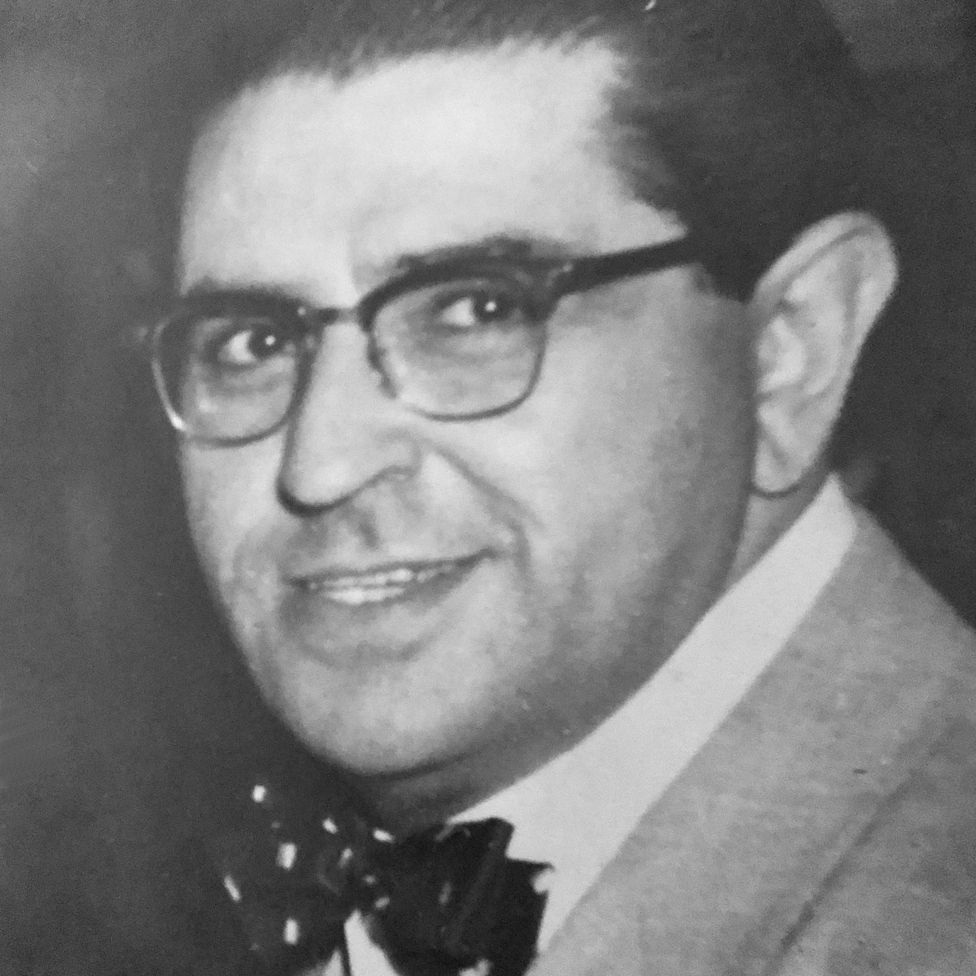
Image captionJulius Strauss in the 1950s
Almost 60 years later, in 2015, James Strauss decided to make a trip to Gunzenhausen. "There I met lovely young people from the junior high school and local officials who had worked hard to commemorate this terrible incident," he says. "I was blown away by their knowledge."
Strauss returned to the USA with "good feelings" about modern Germany and decided that "in honour of his father and the positive work that had been done in Gunzenhausen," he would claim his right to have the family's German citizenship restored.
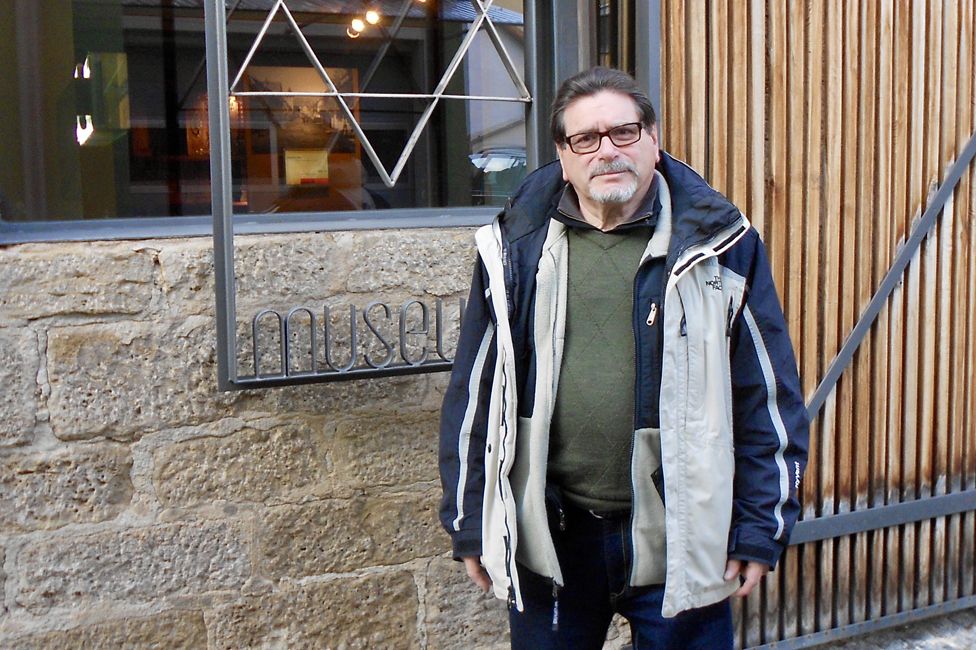
Image captionJames Strauss at the Gunzenhausen museum
He thought he had a watertight case when he made his application in 2017. "But when I arrived with the papers at the New York consulate, I was advised there was a problem," he says. Strauss was told he was not eligible because his father became an American in 1940 - before he had been officially stripped of his German nationality.
While legislation was passed as early as 1933 allowing for German Jews to be stripped of their citizenship - simply by publishing their names in a newspaper - in many cases it only happened in the mass denaturalisation of all Jews who had fled the country, in November 1941.
Article 116 of Germany's post-war constitution says descendants of people deprived of their citizenship during the Nazi era "shall on application have their citizenship restored", but the German authorities are refusing the descendants of people like Julius Strauss on the grounds that they left "voluntarily". It's an argument that flies in the face of historical realities. Had Julius Strauss stayed in Germany he would have perished in the Dachau concentration camp, along with the other Jewish residents of Gunzenhausen.
Strauss is furious and is determined to challenge the rejection. "This is a betrayal of not only my family but the new Germany and the school kids who have worked so hard," he says.
For the past year, London lawyer Felix Couchman has been working overtime, flying back and forth to Germany and putting together a case to persuade - or force - the German government to stop excluding various categories of Jewish people from Article 116.
James Strauss is one of more than 100 descendants of Nazi victims who have had their applications rejected and have sought Couchman's help. Scattered across the globe in the UK, Australia, Canada, Colombia, Israel and the USA, they have come to together in Couchman's pressure group, the Article 116 Exclusions Group, in order to fight their case, if necessary, all the way to Germany's constitutional court.
Image copyrightRACHEL JUDAH
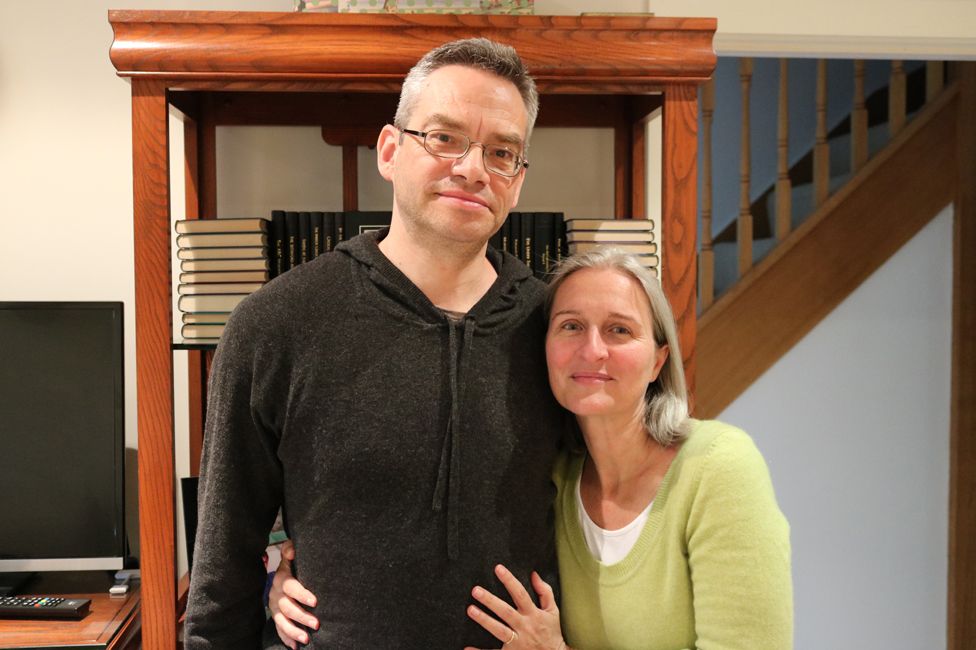
Image captionFelix Couchman with his wife and fellow campaigner, Isabelle
While Strauss's application was spurred on by an admiration for the new Germany, in the UK the 2016 EU referendum prompted a sharp rise in applications.
In 2018 1,506 applications for German citizenship were made in the UK, compared to 43 in 2015. But Couchman says that while Brexit was the catalyst in galvanising collective action, it is not simply a Brexit issue. Brexit has served only to reveal a practice that is "morally and ethically wrong", he says.
The way Article 116 has been interpreted has gone against the spirit of the constitution, he argues, and ignores "how much these people suffered under the Third Reich".
Judith Rhodes's mother, Ursula Michel, came to the UK in 1939 on the Kindertransport, an operation that brought thousands of Jewish children to safety while their parents remained behind. "Her life was fractured and she never got over the guilt of surviving," Rhodes says. Her family all perished in the Holocaust.
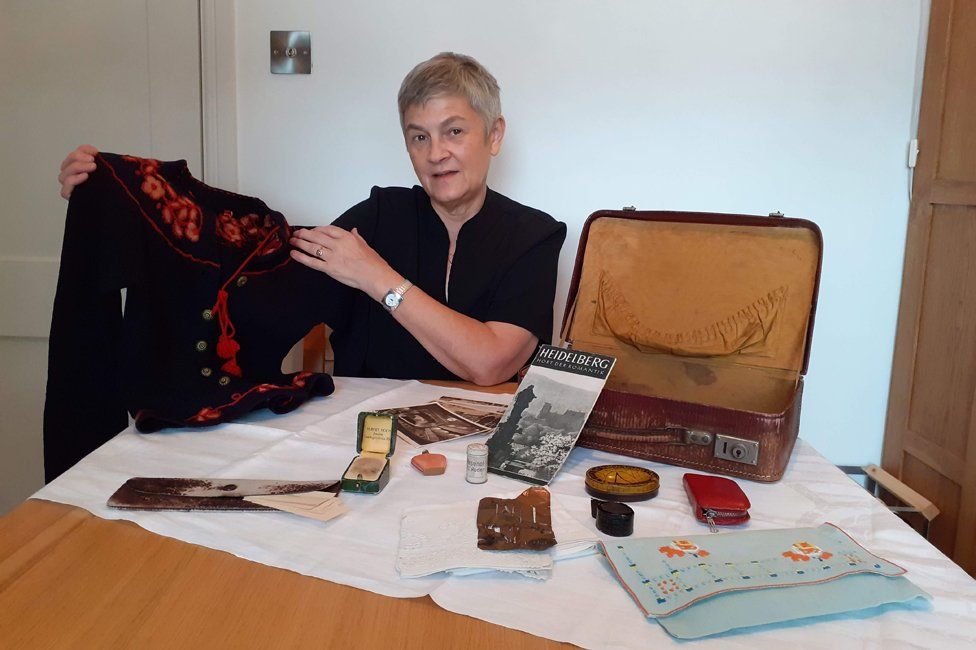
Rhodes, who lives in Yorkshire, is now active in Holocaust education in her mother's home town of Ludwigshafen am Rhein - she shows pupils the little suitcase that her mother was allowed to bring with her.
To make it easier to continue doing this after Brexit, Rhodes decided to apply for German citizenship. But she was refused.
Image copyrightJUDITH RHODES
Image captionJudith Rhodes with the possessions her mother brought on the Kindertransport
Rhodes's application was rejected on the grounds that she was born before 1 April 1953, to a German mother married to an Englishman. If it had been the other way round and her father had been German it's likely that her application would have been granted.
"I am furious because I think the ruling discriminates against women. This is the 21st Century and this sort of sex discrimination should not be allowed," she says.
"I think the attitude of the German government is that Jews should have stayed in the Third Reich and not fled to safety. It is like an insurance company saying to a homeowner they would not pay up as they did not stay in their house as it burnt to the ground, fighting the fire."
Felix Couchman's mother also came to the UK on the Kindertransport. He set up the Article 116 Exclusions Group when, like Judith Rhodes, one of his brothers was advised by the German Consulate in London that he would not be eligible to apply for German citizenship. Even though Article 116 says that descendants of Germans deprived of citizenship "shall... have their citizenship restored", the consulate argued that under German naturalisation law citizenship could only be passed on through the father, up until the 1970s.
Although Couchman had not considered applying for German citizenship himself, and had never been involved in campaigning before, this spurred him into action.
"Although my mother died in 2001, I was acutely aware of what she would have expected me to do," he says.
"I think the German government started off thinking we were a bunch of little old ladies drinking tea," he laughs, "but the moral backbone of our campaign means we are not going away. They have been surprised by our determination."
How the German government interprets Article 116
Automatic right to citizenship is denied to people:
Born out of wedlock, before 1993, to a formerly German father with a foreign mother
Adopted by formerly German parents before 1977
Whose ancestor acquired foreign citizenship before being stripped of German citizenship
Born before 1 April 1953 to a formerly German woman (and a non-German man) who fled Germany before being stripped of citizenship
Born after 31 December 1999
Whose ancestors were Jewish members of German communities annexed by the Nazis during their military expansion, such as Danzig and Czechoslovakia (non-Jewish Germans in these areas were naturalised en masse, but Jews were not)
Interest in the campaign has snowballed. Couchman's wife, Isabelle, deals with the hundreds of people who have contacted the group. "Some are very elderly and have suffered a great deal," she says. "Some of them lost their entire families in the Holocaust."
While Couchman and a Cambridge University PhD student, Nic Courtman, lobby political parties in Germany, Isabelle runs a support network. "People are very emotional and they often cry on the phone when they contact me," she says. "It can take months for them to decide if they want to pursue their battle." Some are elderly Holocaust survivors, for example Kindertransport children, who are still traumatised by their experiences.
Central to Couchman's case against the German government is the atmosphere in which Article 116 was implemented. "We have been told from varying sources of Nazi influence on the way the law was interpreted in the 1950s and 1960s," he says.
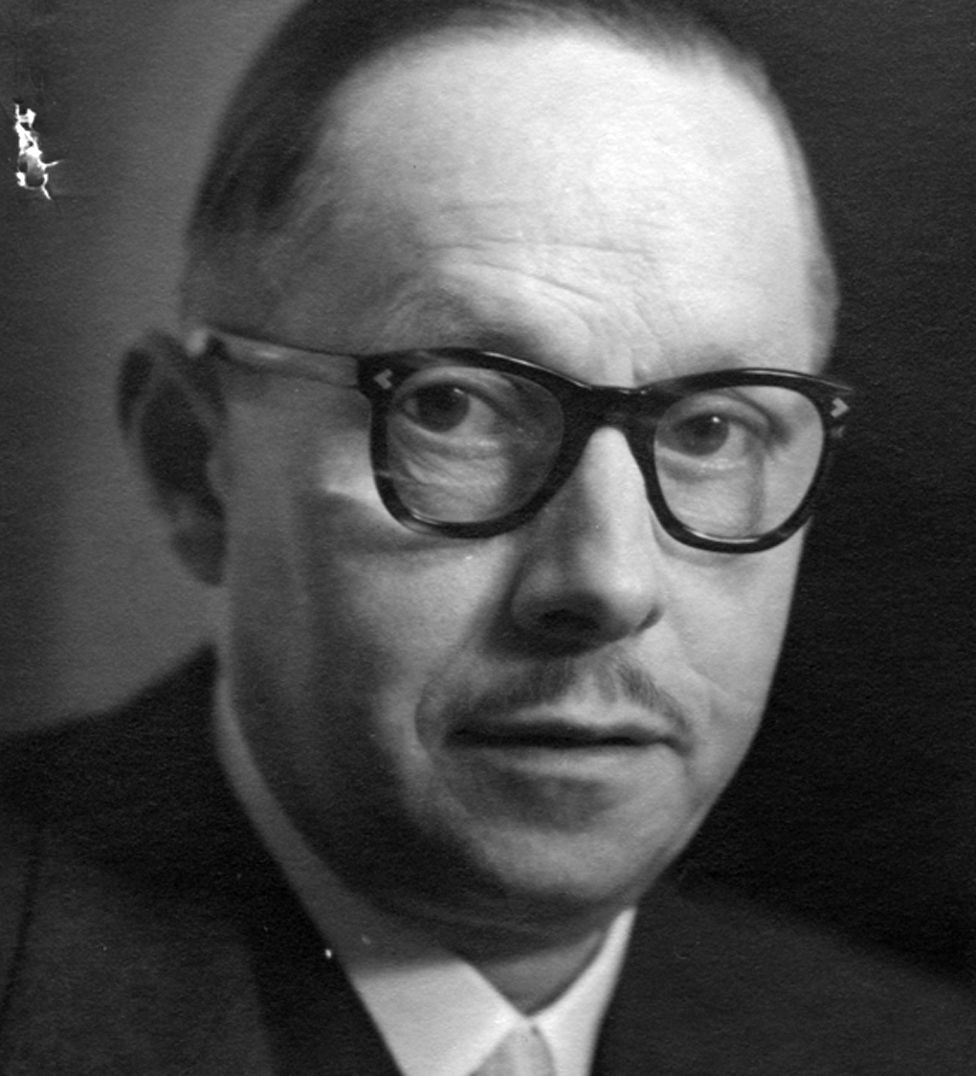
The head of the Interior Ministry department that dealt with residence and asylum was at that time Kurt Breull, a former Nazi who had made his anti-Semitic views clear during the 1930s.
Image copyrightBUNDESARCHIV
Image captionAfter the war, Kurt Breull is said to have lied about the date he joined the Nazi Party
It was in this period that people like Julius Strauss, who had fled the country and taken another nationality before they were stripped of their German citizenship, were deemed ineligible - and also Jews who had lived in eastern territories occupied by Germany, such as Danzig (now Gdansk, in Poland).
"We have to understand how these exclusions arose in order to fix them," says Couchman.
Image copyrightUNIVERSITATSARCHIV BONN
Image captionProf Ulrich Scheuner
Nic Courtman has studied the German government's own investigations into the failure of de-Nazification, finding documents that show the Interior Ministry was aware of controversy surrounding Article 116 in the 1950s, when a commission was set up to examine possible reforms.
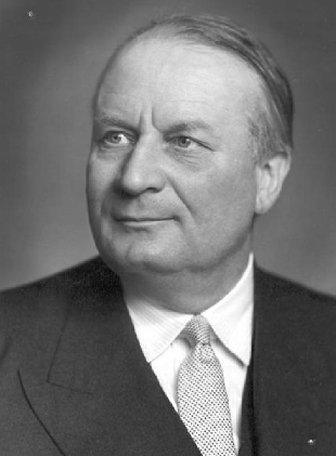
That commission was led by Prof Ulrich Scheuner, a former Nazi supporter who, the documents reveal, supported the practice of trying to exclude certain groups. "That influence still filters down and affects decisions today as it set precedents," Couchman says.
In August, the Article 116 Exclusions Group won their first battle. Two decrees issued by the German government, after pressure from the group, permit some of the descendants of Hitler's victims to apply for discretionary naturalisation under the Nationality Act.
The German government says the decrees facilitate the acquisition of German citizenship "for those claimants who suffered similar historical injustices to those set out in [Article 116] but are not entitled to restoration under that Article due to legal reasons".
A statement provided to the BBC, says that the government "highly appreciates" the fact that descendants of victims of National Socialist persecution now wish to acquire German citizenship, and states that the new decrees "provide a swift, directly applicable rule... reducing citizenship requirements for eligible persons to a minimum".
Judith Rhodes is one of those who might meet the requirements, but only if she takes a series of language and citizenship tests. She says this is still discriminatory and resents "being asked to jump through hoops".
For Couchman the concessions are "a partial resolution but do not cover all the exclusions". Adopted children, for example, are still not considered eligible.
"This is a discretionary act that you have to go in begging for," he says. "What we want is our constitutional right under Article 116."
Couchman's group has some powerful allies and has managed to gain the support of opposition parties - the Greens, Die Linke and the FDP - who are leading a parliamentary investigation into the issue. It is still seeking the support of the partners in Germany's governing coalition, the CDU and the SPD.
Couchman points out that in September Austria's parliament unanimously ratified a law that extends citizenship to the descendants of Nazi victims who fled Hitler's Third Reich.
"If Austria is able to pass legislation to rectify the issues over the restitution of citizenship on cross-party lines, I do not see why this cannot be done in Germany," he says.
The fight has taken over the Couchmans' lives. The couple work weekends and late into the night. Their two teenage children make sure there is dinner on the table in between studying for their exams.
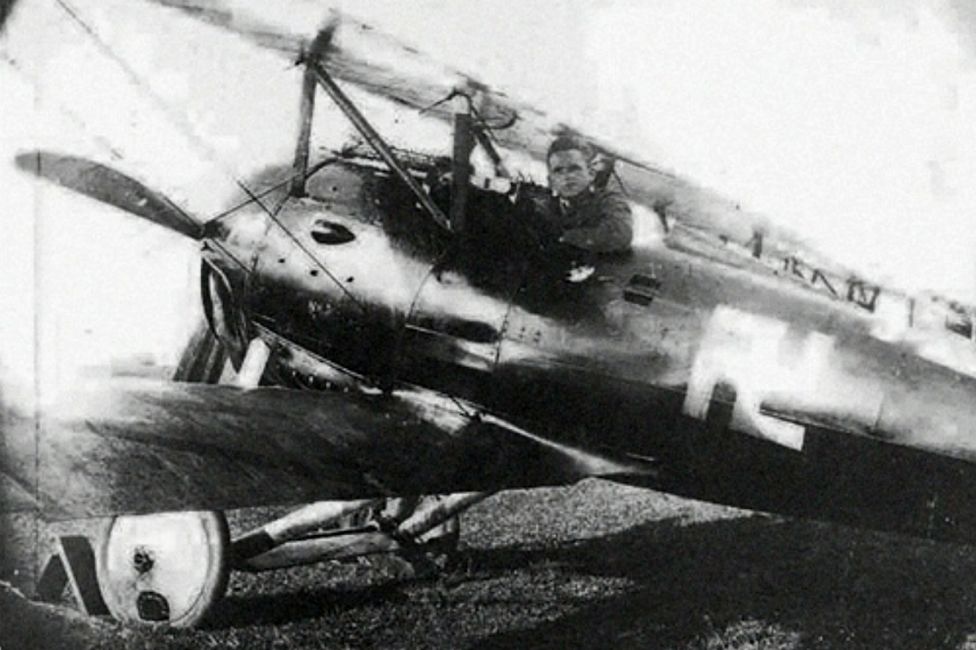
It is the family's personal story that drives them forward. Couchman's grandfather, Fritz Beckhardt, was a German flying ace and World War One hero, but after the Nazis came to power his war record was wiped from the history books.
Image copyrightFELIX COUCHMAN
Image captionThe WW1 flying ace, Fritz Beckhardt
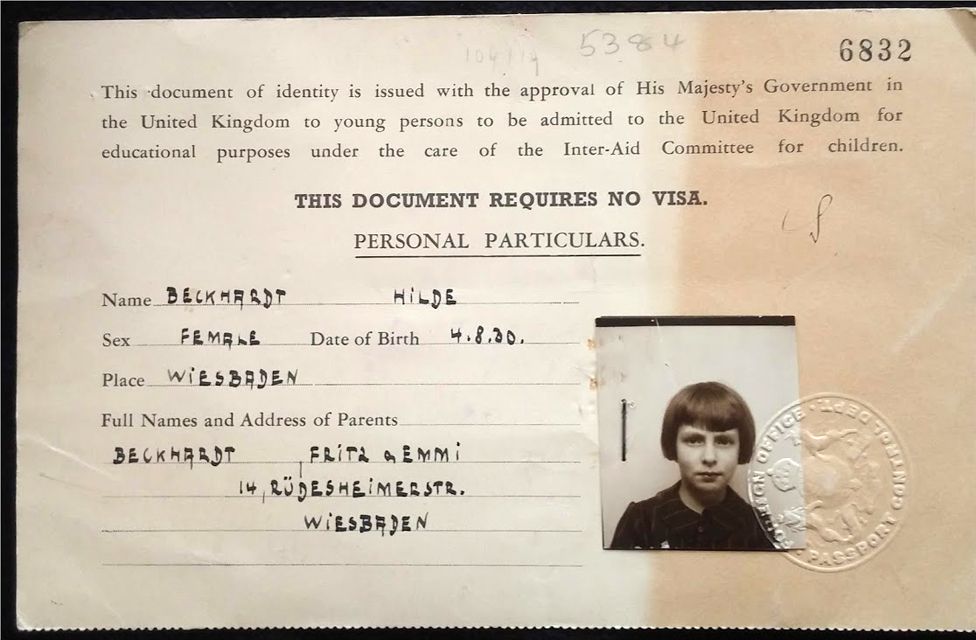
Couchman's mother, Suse Beckhardt, was born in 1930 in Wiesbaden. When she was seven, her father had an affair with an Aryan woman, which was a crime under the Nazis, and he was sent to the Buchenwald concentration camp.
"An Air Force chum, a prominent Jewish lawyer, Berthold Guthmann, decided to appeal to Herman Goering, one of the most powerful Nazi leaders, who was one of their wartime colleagues," says Couchman.
Extraordinarily, Fritz was released from Buchenwald in 1940 and told to leave the country. Before he left, he promised his sister and parents-in-law that he would return. None of them survived the Holocaust. Nor his did his friend, Guthmann, who was sent to Auschwitz.
Beckhardt and his wife arrived in the UK in 1940 but were interned with other German nationals on the Isle of Man. It was not until 1943 that they were eventually reunited with their children, who had fled on the Kindertransport before the war.
Image copyrightFELIX COUCHMAN
Image captionSuse Beckhardt's Kindertransport paper (she disliked her first name, Hilde)
Determined to keep his promise to his family, Fritz Beckhardt returned to Germany in the 1950s to fight for the restitution of the family property and their business.
"He fought and fought," says his grandson, Couchman, whose mother remained in the UK. "The shop was not profitable because people still did not like to shop in Jewish shops in the 1950s but he did not close the business. You fight for what you believe is right."
You may also be interested in:
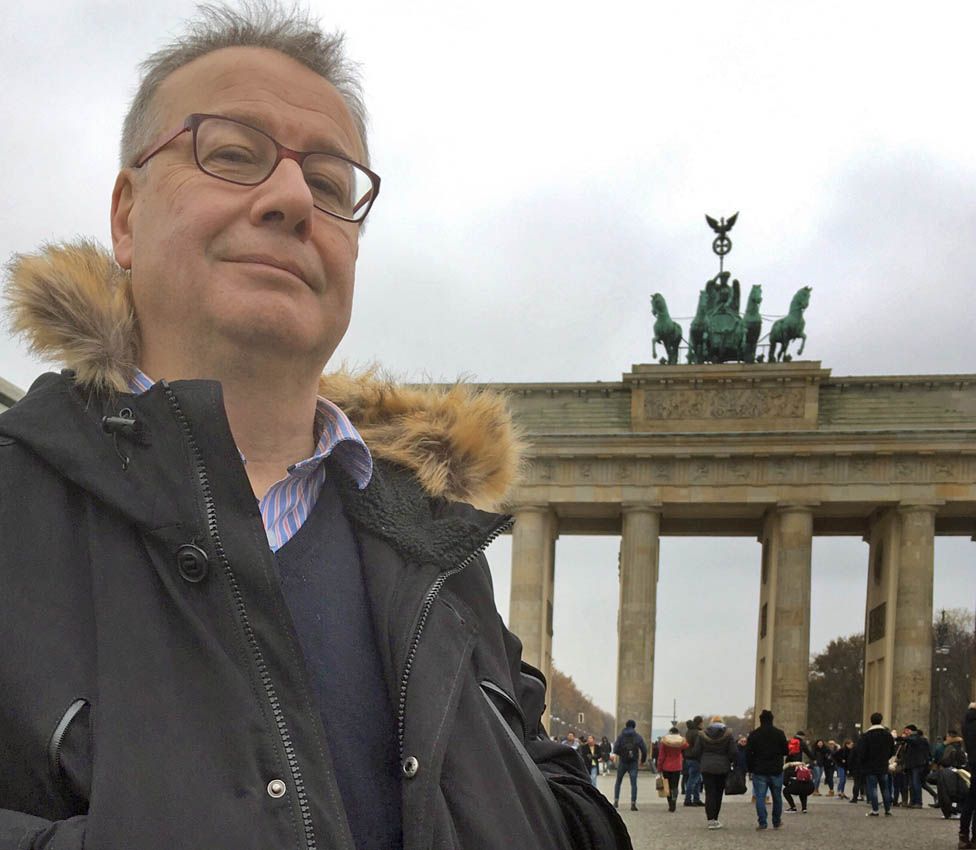
BBC radio presenter Adrian Goldberg is entitled to a German passport - and in a post-Brexit world it might come in very useful. But his family history makes him think twice about taking this step.